
TEXAS – Jan. 5, 2026. In the past, geopolitical turmoil has often caused market panic and sent oil prices soaring, like during Kuwait’s liberation in 1991 and Libya’s conflict in 2011. This time, though, things are different. On Monday, oil and natural gas prices dropped sharply in the first trading session after American forces captured Venezuelan President Nicolás Maduro over the weekend.
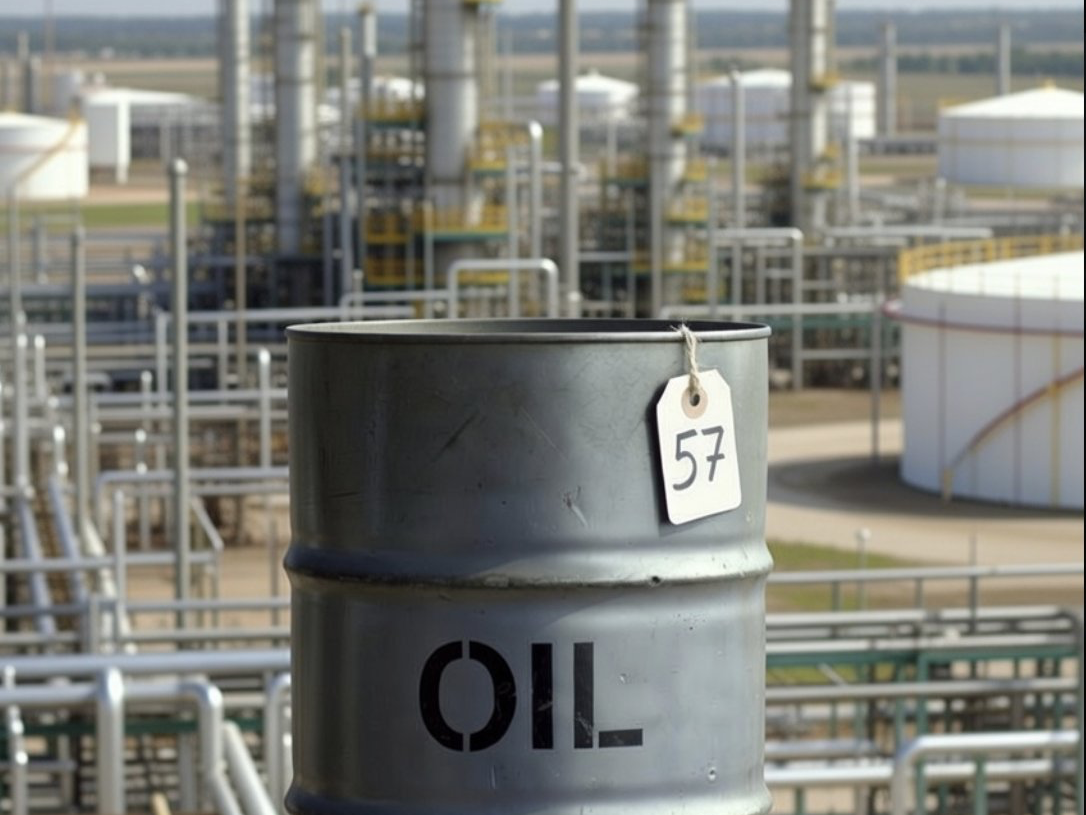
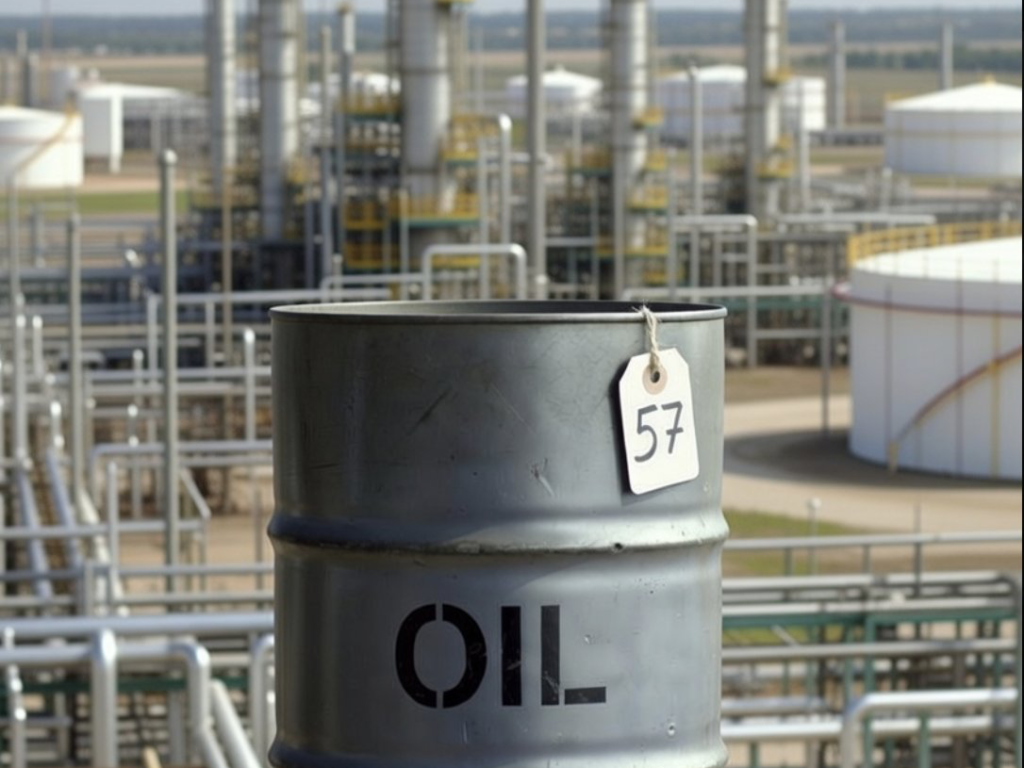
Many traders seem to believe that the U.S. action will eventually lead to more oil supplies from Venezuela, not less. West Texas Intermediate, the main U.S. oil benchmark, fell below $57 a barrel in morning trading, nearing levels last seen in early 2021 during the Covid-19 pandemic.
Usually, when major oil producers face geopolitical shocks, like the Persian Gulf wars or sanctions on Iran and Russia, energy prices jump because people worry about supply problems. This time, the market reacted differently. “The weekend’s dramatic events are being interpreted not as a risk to supply but as a potential catalyst for a significant increase in Venezuelan output,” said Amrita Sen, director of research at Energy Aspects, a consulting firm. “Traders are pricing in the prospect of American companies moving in quickly to rehabilitate fields that have been starved of investment for years.” Experts estimate that investing $20 billion over five years could add 2 million barrels per day to Venezuela’s production.
This shows how much more oil the country could provide. Venezuela has the world’s largest proven oil reserves, estimated at 300 billion barrels. However, its production has dropped to about 1.1 million barrels a day, down from over 3 million a decade ago, due to mismanagement, sanctions, and aging infrastructure. Analysts believe that with new investment and technical know-how, Venezuela could double or even triple its oil output in a few years. This would add millions of barrels to a global market that already has more supply than demand.