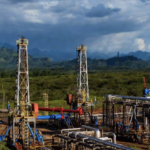

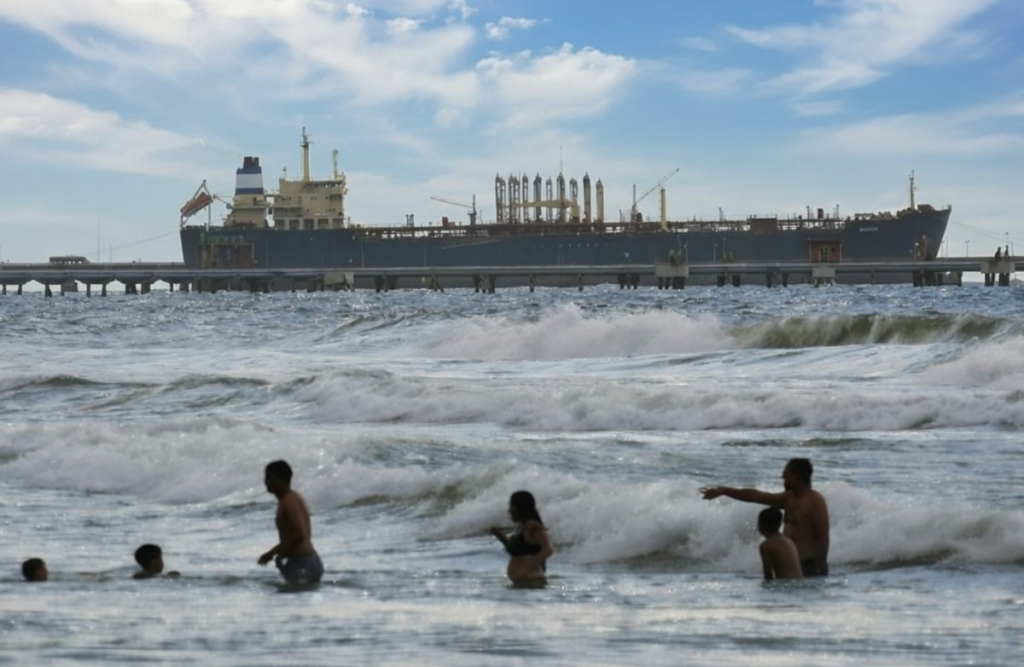
Caracas, Venezuela – January 4, 2026 Venezuela holds the world’s largest proven oil reserves, exceeding 300 billion barrels, but a rapid increase in exports is unlikely. Years of underinvestment, mismanagement, and U.S. sanctions have left pipelines, refineries, and ports in poor condition.
Experts estimate it may take 6 to 12 months or longer to significantly boost production. Sanctions must be fully lifted, new contracts negotiated, substantial capital invested, and infrastructure either repaired or replaced. Even with political change, skilled workers have fled, equipment is outdated, and security risks remain.
Short-term, geopolitical uncertainty and transition chaos will dominate headlines and Monday’s market open.
Long-term, however, a stabilized Venezuela could eventually add millions of barrels per day, reshaping global supply dynamics and pressuring prices lower.
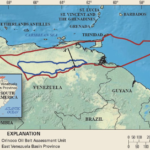
Oilfield services firms such as Schlumberger (SLB) and Halliburton (HAL) may benefit from renewed drilling activity in the Orinoco Belt. SLB could rise 3-5% on contract optimism, while HAL may see 2-4% gains.
However, both face risks if instability delays operations. Key risks include potential political opposition to foreign involvement, which could result in sudden regulatory changes, and logistical delays stemming from Venezuela’s infrastructure challenges.